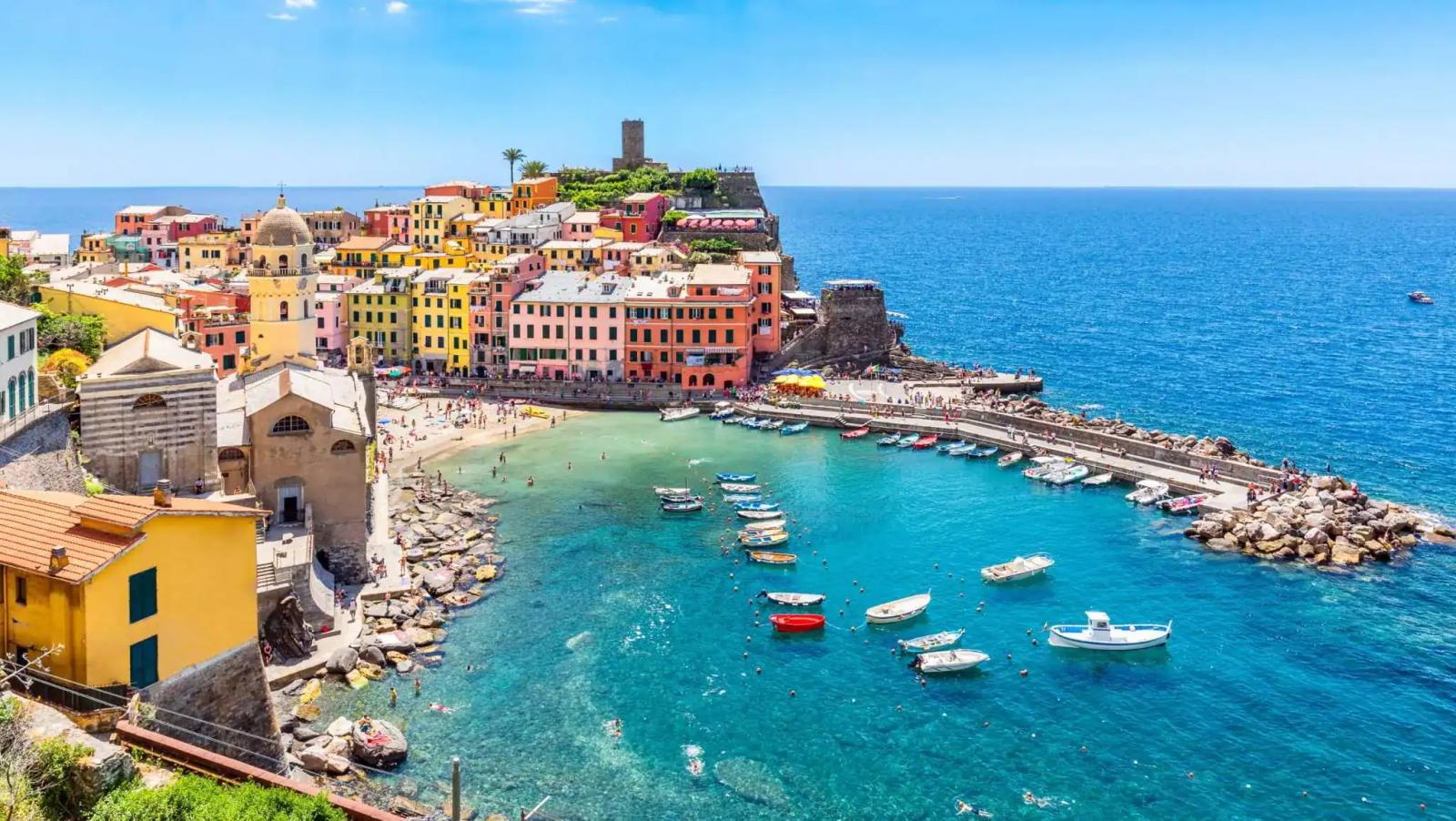
By any traditional metric, Italy doesn’t need more visibility. Its flagship cities (Rome, Venice, Florence) are global icons whose fame long ago outgrew their physical size. And yet this is precisely the problem: 70% of foreign tourists crowd into merely 1% of the national territory. The result is predictable: overburdened cities, resident pushback, rising living costs, and a creeping sense of “tourism fatigue.”
But a quiet revolution is underway. It is being led not by governments, nor by lavishly funded tourism boards, but by an independent cultural platform that has done something no one expected: outperform Europe’s institutional giants at their own game.
Before we get there, it’s worth identifying the blind spots slowing down most territorial-promotion efforts. Our research at Human Centric Group (a strategy firm that has worked with global brands such as Carlsberg, PepsiCo, Danone, Mitsubishi, as well as with destinations worldwide) identifies five routinely forgotten rules that explain why many places struggle and why Visit Italy has surged past much of the competition.
1. Stop Promoting the 1% and Start Building the Other 99%
Territorial marketing often falls back on clichés: amplifying the fame of already iconic monuments, overcrowded sites and the same “instagrammable” landmarks that dominate every mainstream traveller’s checklist. This approach deepens territorial imbalances and ultimately diminishes the experience for both residents and visitors.
Visit Italy built its editorial vision around a simple but disruptive idea: Italy is 99% more than what the tourist industry traditionally showcases.
That 99% includes small towns, alpine valleys, remote coastlines, fishermen’s harbours, artisan workshops; all places that rarely make it into global narratives yet carry the country’s cultural weight. By shifting the lens, the platform expands demand instead of concentrating it.
2. Make Locals the Protagonists, Not the Backdrop
Most promotional campaigns treat local residents as passive scenery. Visit Italy overturns this by centring its stories on “lifers”: those who inhabit, guard and animate a place every day.
Lifers are not generic “locals”. They are bakers, shepherds, artisans, custodians, volunteers, people whose gestures and memories anchor a community. Their presence transforms tourism from a transactional exchange to a shared, human experience carrying forward the lifeblood and spirit of the place itself.
This approach fosters respect, sustainability and emotional connection, three qualities tourism needs more urgently than ever.
3. Build a Community Before You Build a Campaign
One of the most common misconceptions in territorial marketing is the belief that visibility alone creates value. Traditional advertising follows a linear logic: a campaign is launched, attention peaks for a moment, results are measured, and momentum fades as soon as the budget stops.
Communities follow an entirely different circular logic. People don’t just consume content: they respond, share, comment, disagree, add their own stories and keep the narrative alive. Meaning is co-created, not delivered. This self-sustaining dynamic produces a form of cultural capital that grows over time.
This is precisely what has happened with Visit Italy. Over the past years, it has evolved into a global cultural community, not only a functional trip-planning tool. People follow the platform not because they are about to book a holiday, but because they feel a connection to Italy’s culture, humour, daily life and aesthetic, even from the other side of the world.
The numbers reflect this community-driven momentum:
- 2+ million followers across its channels
- Over 5 million monthly unique users on its platform
- 165 billion video views
- and #visititaly among some of the world’s most-used destination hashtags
Followers turn to Visit Italy to learn, be inspired, laugh, and experience fragments of Italy in their everyday lives. Italy becomes not only a place to visit, but a cultural mindset associated with beauty, craftsmanship, slowness, conviviality and human connection.
Platforms built around passion rather than transactions create deeper loyalty, stronger engagement and far greater long-term influence. This is the strategic advantage that has allowed Visit Italy to grow faster than any European tourism board and become a cultural force rather than a promotional channel.
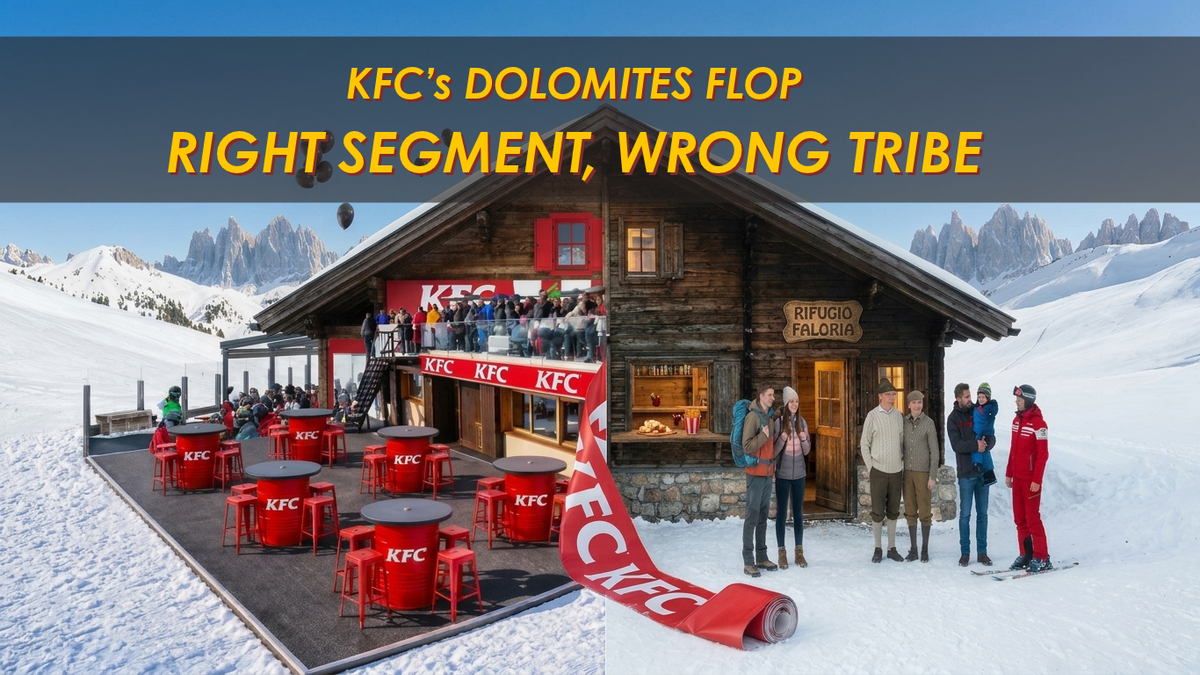
4. Use the Tribal Mindset: Speak to Someone, Not Everyone
In tourism, attempts to appeal to “everyone” usually resonate with no one. Destinations that succeed today speak the language of tribes: passion-based communities whose identity shapes their travel choices.
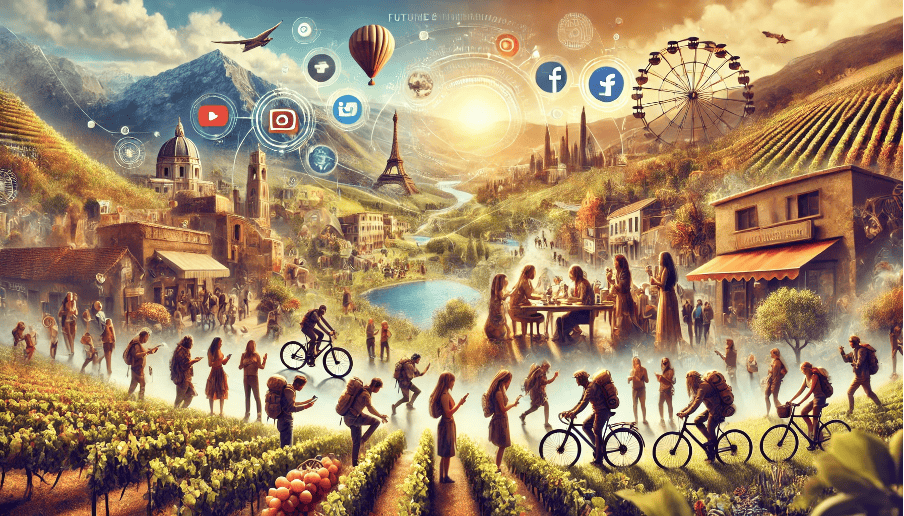
A tribe can be cyclists, food lovers, gamers, digital nomads, hikers, vegans, backpackers, pet lovers, wellness travellers or photography seekers. Italy has the extraordinary advantage of being able to authentically speak to all of them using different channels, if destinations are willing to map what truly matters to each tribe.
Bergamo, for example, can address:
- Food lovers through wine routes and gastronomic itineraries
- Cyclists through the scenic Bergamo–Brescia cycling network
- Art & Culture Lovers through its artistic heritage
Internationally, Tokyo’s vegan map or Akihabara’s positioning as a global gaming and manga mecca show how powerful tribes become when destinations communicate with precision.
The tribal mindset is not segmentation, it is identity alignment.
5. Organic Growth Outperforms Big Budgets When the Story Is Right
The past years have produced a counterintuitive phenomenon: independence has proven to be a competitive advantage.
Across Europe’s tourism landscape, Visit Italy has grown at a rate that outpaces every other national “Visit” platform. Based on growth patterns observed over the past years:
- Visit Scotland: ~4,700 followers gained per month
- Visit Dubai: ~11,500 per month (supported by estimated annual marketing investments of $50–100 million)
- Visit Italy: over 20,000 per month, organically
In total followers, Visit Italy is now the most-followed “Visit” platform in Europe, second globally only to Dubai. Unlike Dubai, however, it operates without public funding, without institutional structures, and without the scale of budget typical for national tourism boards.
This distinction matters. It shows that storytelling can outperform spending, and that cultural authenticity travels further than paid reach.
Why Visit Italy Is Europe’s Most Influential Territorial Platform
In a sector long dominated by heavy budgets, rigid institutional frameworks and traditional promotional logic, Visit Italy represents a rare innovation: a cultural, community-driven, territory-first model that is reshaping how a nation can be narrated.
It has:
- expanded Italy’s emotional surface area, allowing the country to be felt not only in its famous cities but across an archipelago of 7,904 municipalities
- lifted local custodians into the role of narrators and living monuments who embody the spirit of their places
- activated global tribes locally with precision
- shown that when you understand the emotional drivers of communities, you can generate results that institutional structures fail to achieve
As Italy grapples with overtourism in its most famous 1%, Visit Italy offers a blueprint for the future: a shift from visibility to meaning, from mass to tribe, from promotion to participation.
The lesson for destinations is clear:
Attract the right travellers, not just more travellers. Tell deeper stories, not just louder ones. And give space to the places and the people that make a country whole.
That is the path not only to sustainable tourism, but to authentic territorial value. And it is the path Visit Italy is already forging.
About the author

Matteo Rinaldi
Matteo Rinaldi is a Senior Marketing Strategy Consultant and Co-Founder of Human Centric Group, with global experience driving double-digit growth for brands like Danone, Carlsberg, Revlon, PepsiCo, and Visa. Having worked across multiple continents, he specializes in leveraging cultural insights for impactful brand strategies. A passionate educator, Matteo teaches marketing worldwide, shaping future industry leaders. Previously, he worked with L’Oréal and Coca-Cola HBC. He is also a best-selling author in marketing.